Must-Have Features in a Medical Adjustable Bed
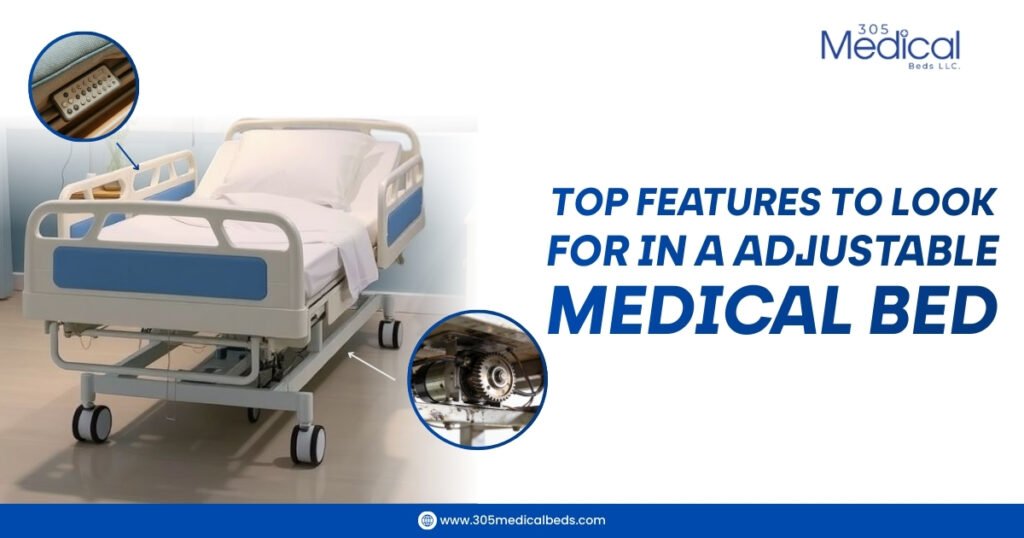
When you’re choosing a medical adjustable bed for home care, comfort isn’t the only thing that matters. These beds are tools for safety, mobility support, carer ease, and long-term wellbeing. Whether you’re caring for an elderly parent, someone recovering from surgery, or a loved one with limited mobility, the right features make a huge difference.
Let’s walk through the must-have features in a medical adjustable bed that keep patients safe, comfortable, and supported every day.
1. Adjustable Head & Foot Positions
One of the core features that sets a medical adjustable bed apart from a regular bed is its ability to change positions quickly and safely.
Why It Matters
- Helps patients sit up without strain
- Supports eating, reading, or watching TV from bed
- Improves breathing and circulation
- Reduces pressure on lower back and legs
Pro Tip: Look for beds with smooth, quiet motors that allow carers or patients to adjust positions with minimal effort.
2. Height Adjustability
Being able to change the height of the bed is crucial for both safety and caregiving.
Benefits of Height Control
- Easier and safer patient transfers
- Reduces risk of falls
- Helps carers avoid bending and strain
- Allows proper alignment with wheelchairs and other mobility aids
Medical beds with adjustable height support safe movement in and out of bed, which is a key aspect of home care safety.
3. Built-In Safety Rails
Safety rails are not just accessories — they’re a must-have element of a medical adjustable bed.
What Safety Rails Do
- Prevent accidental falls
- Provide support when sitting up or repositioning
- Create stability for patients with weakness or balance issues
Tip: Choose beds with removable or foldable rails so they don’t interfere with transfers but can be used when needed.
4. Easy-to-Use Remote Controls
Remote controls make adjustments simple — for patients and carers alike.
Remote Features to Look For
✔ Large, easy-to-read buttons
✔ Backlit or glow-in-the-dark controls
✔ Memory presets for favourite positions
✔ Tethered or wireless options
This feature increases independence and makes daily life easier for everyone involved.
5. Pressure-Relief Mattress Compatibility
The bed frame is only half the equation — the mattress matters too.
Why Pressure Relief Matters
- Reduces risk of pressure ulcers
- Improves comfort during long periods of bed rest
- Supports overall circulation and skin health
Look for mattresses designed for medical use (e.g., memory foam, alternating pressure, or gel-infused options).
6. Smooth & Quiet Motorised Operation
No one wants a noisy bed that disrupts rest.
Quality Motor Benefits
- Smooth lifts and position transitions
- Quiet operation for better sleep
- Long-lasting motor performance
A reliable motor enhances the experience for patients and carers alike.
7. Trendelenburg & Reverse Trendelenburg Function (Advanced)
Some adjustable beds offer advanced positioning options.
What These Do
- Trendelenburg: Tilts the bed so the head is lower than the feet
- Reverse Trendelenburg: Head is raised higher than the feet.
These positions can help with:
- Improving circulation
- Reducing swelling
- Supporting respiratory conditions
- Assisting with certain therapeutic needs
While not essential for every user, these features are extremely valuable for specific medical needs.
8. Wheel and Lock System
If you need to move the bed within a room or between rooms, built-in wheels are very helpful.
Wheel System Must-Haves
- Sturdy locking brakes
- Smooth-rolling casters
- Easy manoeuvrability
These systems make caregiving tasks more flexible, especially in tight spaces.
9. Sturdy Construction & Weight Capacity
A medical adjustable bed must be strong and stable.
What to Check
- High weight capacity with safety margin
- Durable frame and robust materials
- Solid warranty on frame and mechanical parts
This ensures the bed performs safely and reliably over time.
10. Accessory Compatibility
A good adjustable medical bed should support useful add-ons like:
- Over-bed trapeze bars (for assisted repositioning)
- IV poles
- Side tables
- Under-bed lighting
Accessories expand the bed’s usefulness without compromising safety.
| Feature | Why It’s Important |
|---|---|
| Adjustable head/foot | Comfort & posture support |
| Height control | Safer transfers & caregiving ease |
| Safety rails | Fall prevention & stability |
| Easy remote | Quick adjustments for patient/caregiver |
| Pressure-relief mattress | Skin health & comfort |
| Quiet motor | Undisturbed rest |
| Trendelenburg modes | Specialized therapeutic support |
| Wheels with locks | Mobility & safety |
| Strong frame | Longevity & reliability |
| Accessory support | Custom care setup |
How These Features Improve Home Care Safety
Each feature in a medical adjustable bed plays a role in creating a safer home environment:
✅ Reduces fall risk
✅ Helps with mobility transition
✅ Supports carer tasks
✅ Encourages patient independence
✅ Improves overall comfort and wellbeing
Together, these features help transform a regular bedroom into a functional care space.
Who Benefits Most from These Features?
Medical adjustable beds with the right features are especially helpful for:
- Seniors with limited mobility
- Post-surgery recovery patients
- People with chronic conditions
- Long-term care recipients
- Individuals needing daily repositioning support
Final Thoughts: Must-Have Features in a Medical Adjustable Bed
Choosing the right medical adjustable bed is about more than comfort—it’s about safety, independence, and quality of life. When selecting a bed, focus on features that support both the patient and the carer.
Remember:
A well-equipped adjustable medical bed makes everyday care safer, easier, and more comfortable for everyone involved.